What is the essence of a Dream?

A dream is the human power to combine opposites together and make them seem as they exist. In sleep, imagination reigns supreme. How many times have you dreamt of falling from a high place only to be left alive? How about speaking to a bird? Flying through a canyon? One thing is for sure, the intellect has no place in a dream—nothing makes sense in that realm.

How many times have you dreamt of falling from a high place, only to survive? Or speaking to a bird, or fighting a snake? What about flying through a canyon? How is any of this possible? Without diving too deep into philosophy, one thing is clear: the intellect has no place in a dream—nothing makes logical sense there.

What if the power of sleep—the power of imagination—has been released from captivity? With tools like Midjourney, Dream Machine, and others, we've witnessed a Cambrian explosion of creativity. Some are calling it the Second Renaissance.

This raises deep questions: What are our limits? How far can we push the boundaries of progress, experience, and life itself? At Renaissance, we believe one of the most practical applications lies in the consumer goods industry.

Consider these examples:

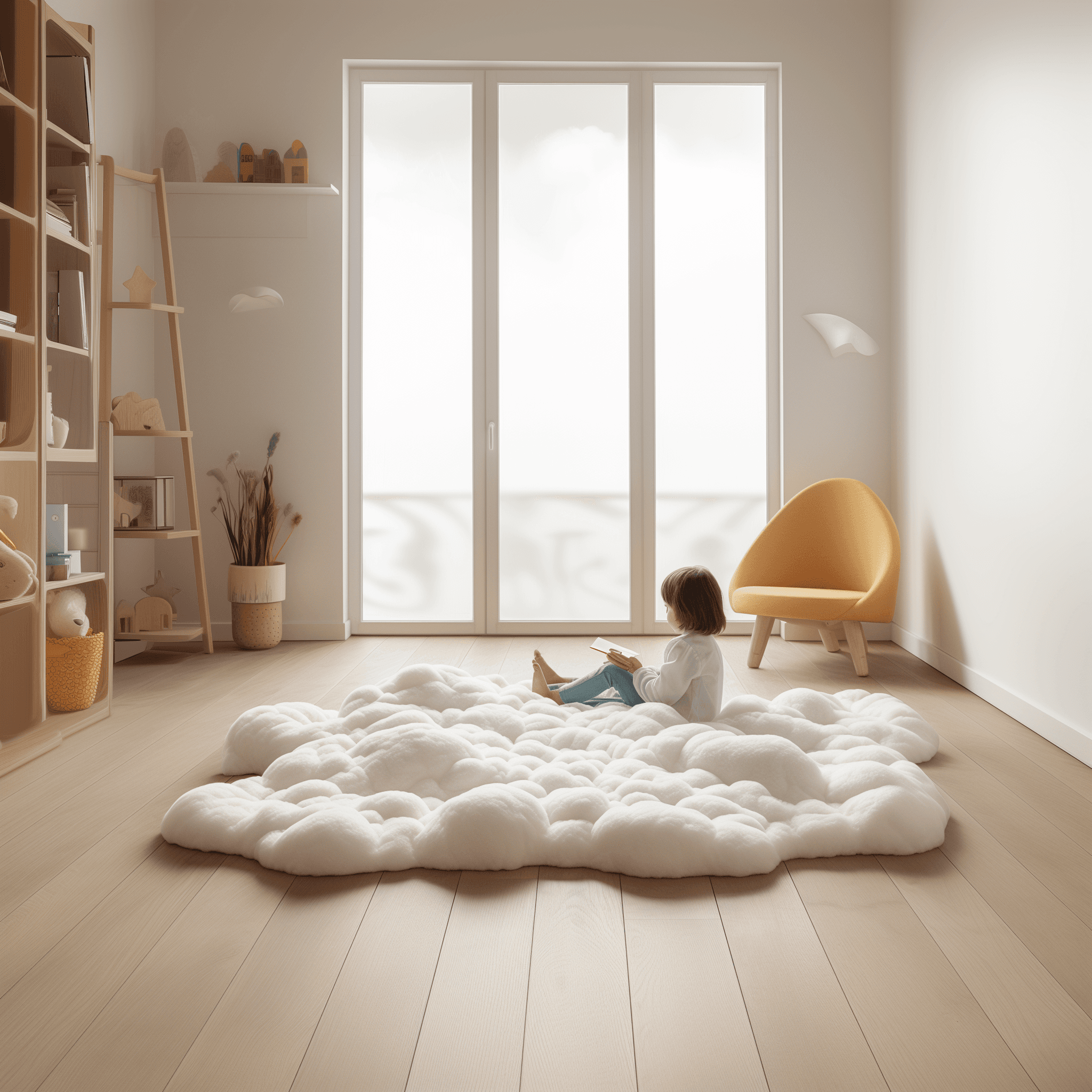
  1. Cloud-foam carpet that looks exactly like a cloud
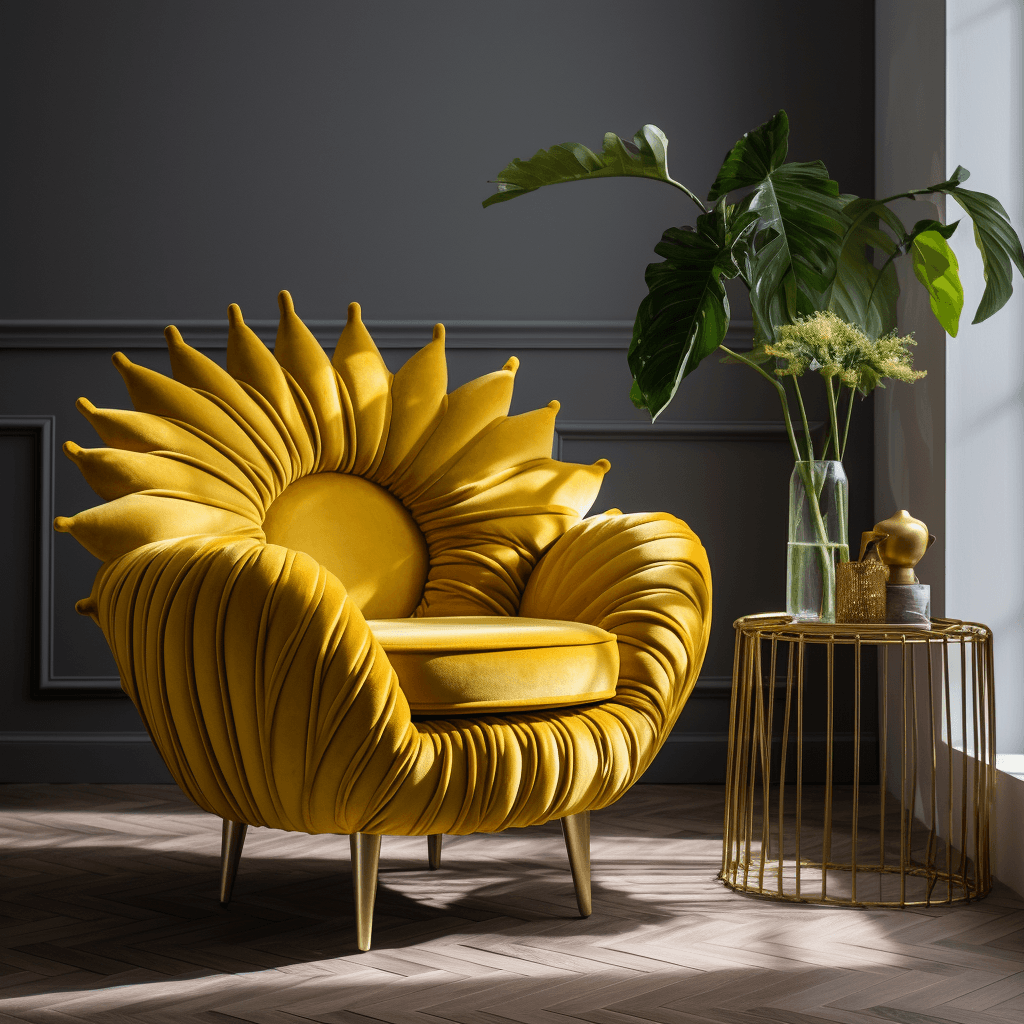
  2. Sunflower-shaped sofa
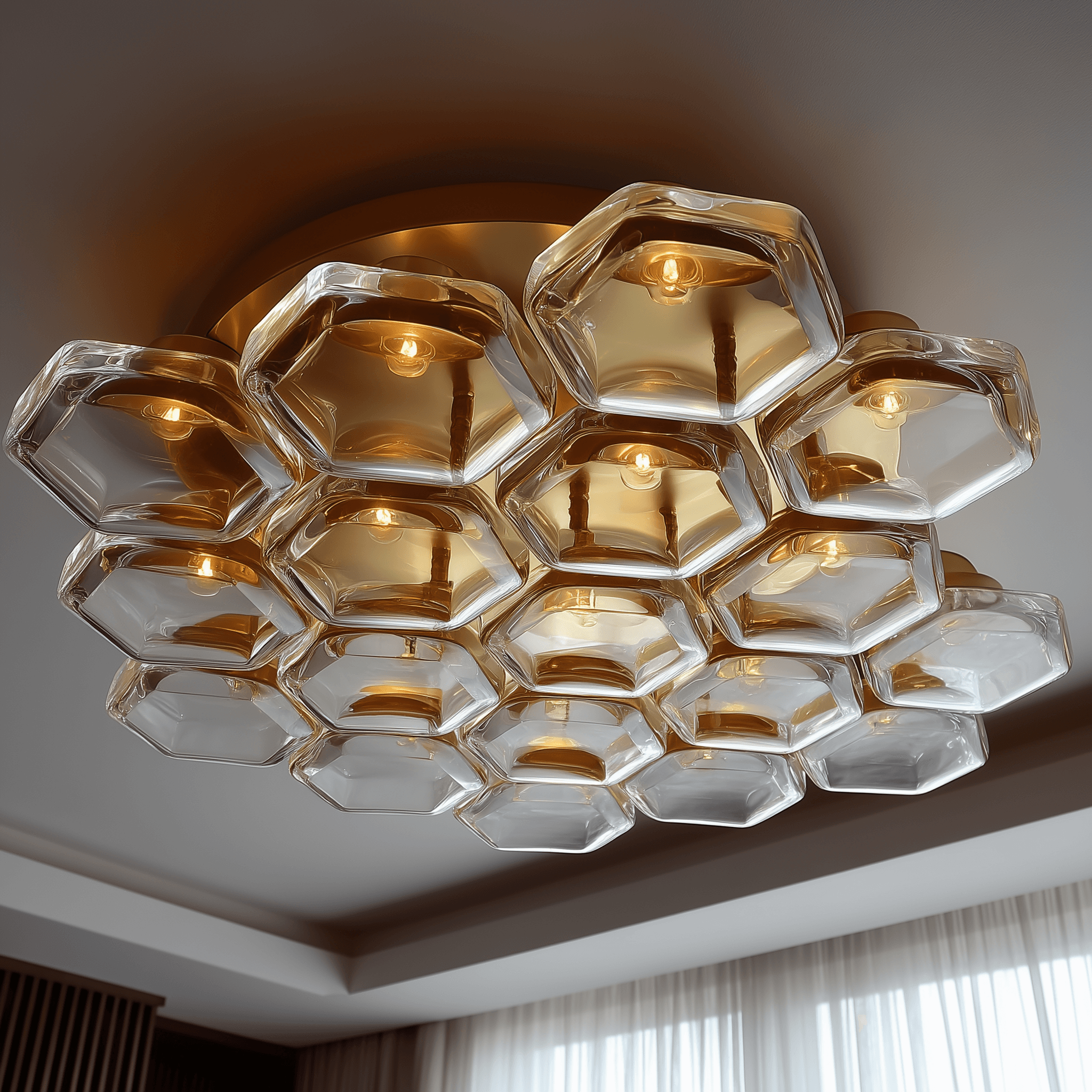
  3. Chandelier resembling a beehive
Cloud-foam carpet
Sunflower-shaped sofa
Chandelier resembling a beehive

Traditional markets would reject these products as ridiculous. Yet it's precisely this paradoxical, logic-defying principle that forms my vision and foundation for Renaissance. Just as the Renaissance half a millennium ago radically changed the structure of human thought, Renaissance will transform our products on every level.

But what does it mean when the industry-leaders, VCs and entrepreneurs say that AI will change the structure of society? We can safely say that traditional consumer markets have been dominated by supplier-led relationships—the manufacturer, the retailer, the creator decides what the market gets. With Renaissance we believe, at first, to be the opposite: a demand-led market where anyone can become a designer, a creator, and go to the deepest details—if they so choose. Both will still be needed and most likely will since a user who just wants a coconut shaped couch just wants to leave it at that. However, the same way Airbnb and Uber democratised their respective industries, then Renaissance will make anyone into a creator of goods and they can sell them too.

Renaissance flips this model: we're building a demand-led market where anyone can become a designer and creator, diving as deep into the details as they choose. Traditional supply chains won't disappear—many users who want a coconut-shaped couch will be happy to stop there. But just as Airbnb and Uber democratized their industries, Renaissance will empower anyone to create and sell their own goods.

Especially in the Internet era, people want something new every day. The era of cookie-cutter Ikea furniture and the same forms of Jewelry is over. We're bringing a renaissance to consumer goods. The most powerful market forces today are LLMs and generative AI—but instead of building software, we're going physical. We believe this is one of the greatest opportunities for AI to transform the consumer goods market.

In reality, this is the start of a movement, to make the good dreams come true and release all the dreamers from captivity.

Welcome to the Dream Marketplace